Define the Santa Rosa surface and the condition before comparing equipment
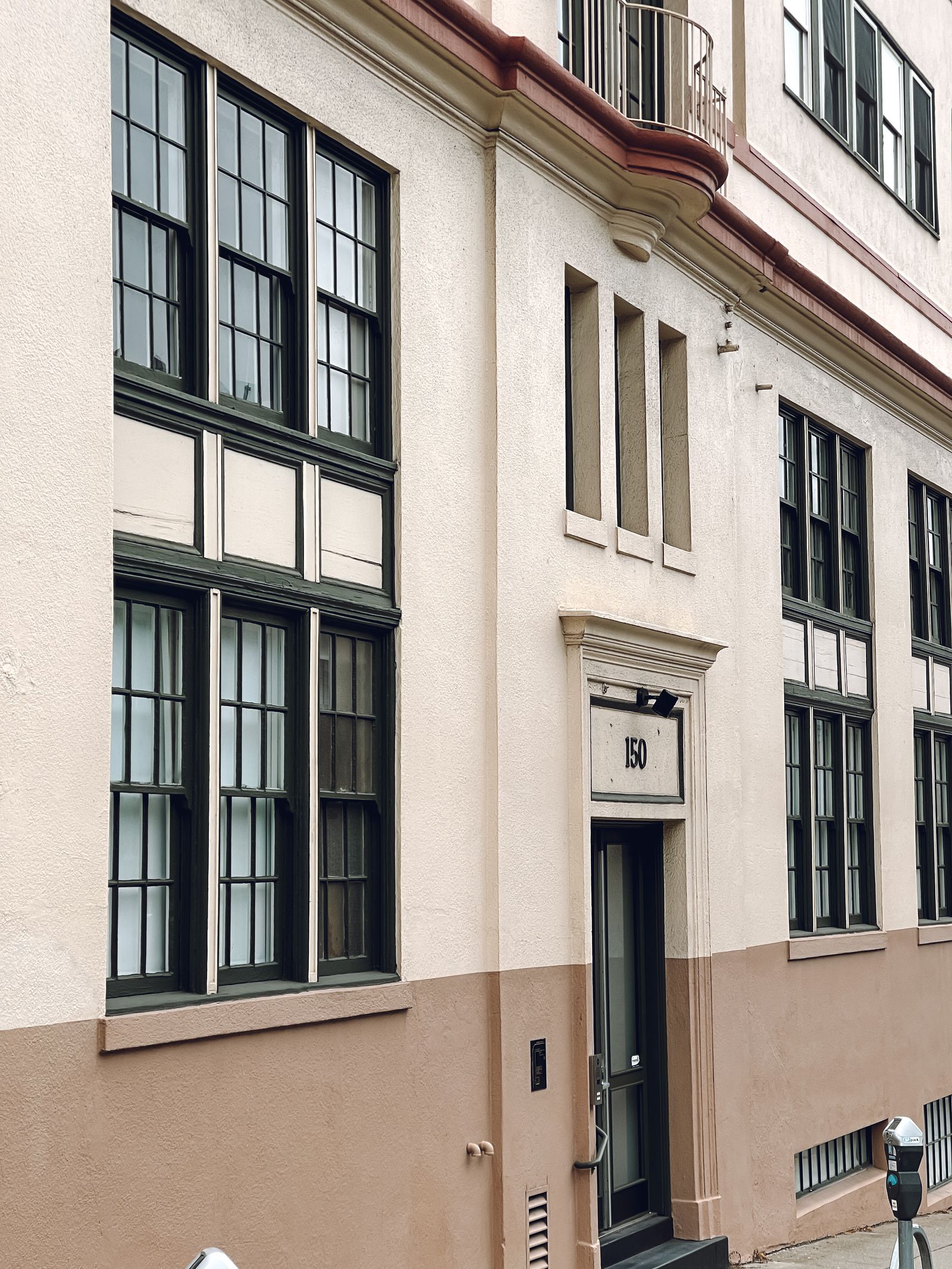
Begin with an elevation map. Note stucco, EIFS, brick, concrete, painted block, wood, stone, tile, metal, glazing, sealants, signs, canopies, parapets, and roof edges. Then describe the visible condition: loose dust, wildfire smoke film, ash, pollen, algae-like growth, moss, bird residue, traffic film, tannin-like runoff, hard-water spotting, oxidation, efflorescence, failed paint, cracked material, or construction residue. A black line under a gutter is not automatically organic growth, and a white mark near a sprinkler is not automatically a pressure-washing problem. If the source is a leak, irrigation head, exhaust, tree, or roof edge, cleaning alone may only provide temporary improvement.
Soft washing generally uses a compatible treatment and controlled rinse with less impact force than conventional pressure washing. That can be useful for selected organic or atmospheric soil on compatible surfaces. Pressure washing can be appropriate for some durable concrete, hardscape, or heavily soiled zones when force, nozzle, distance, flow, and surrounding protection are controlled. Neither label is a safety certificate. A Santa Rosa proposal should identify the material, test area, dwell or pressure assumptions, adjacent finishes, expected finish, and exclusions before the owner compares a price.
- Describe the actual soil instead of calling every dark mark mildew or every white mark dirt.
- Test a representative area and review it dry before approving a broad elevation.
- Separate washing from restoration, glass polishing, coating correction, leak work, and repairs.
- Make the expected finish and remaining conditions part of the written scope.
Where soft washing may fit in Santa Rosa
Soft washing may be a sensible first method for compatible organic growth on shaded stucco, masonry, concrete, roofline surfaces, and selected coated exteriors. It may also improve loose pollen, light smoke film, dust, bird residue, and general atmospheric soil when the surface and runoff plan support the treatment. On a tasting room, hotel, clinic, or office, the lower-impact approach can help preserve a calm work zone around customers and occupied entrances, but it still requires protection, controlled application, and a plan for water movement.
Santa Rosa's climate creates several different exposure patterns. Dry summers concentrate dust and pollen on ledges and signs. Winter rain can reveal moss or recurring roof-edge streaks. Smoke and ash can settle in recesses after a regional fire, while road and delivery traffic can add film near lower walls. Soft washing may address some of those visible deposits, but ash, soot, minerals, oxidation, and coating failure may call for a separate tested process. Ask what the method is expected to remove and what it will leave for specialty work.
Soft washing is not automatically suitable for historic wood, fragile coatings, open joints, sensitive stone, electrical equipment, or areas where water cannot be controlled. A responsible contractor can recommend a different method or exclusion when a surface does not support the proposed treatment. The goal is a cleanable, inspectable result, not a promise that a low-pressure label makes every material safe.
Where controlled pressure or contact work may be the better choice
Controlled pressure may be useful on durable concrete, selected hardscape, loading areas, parking structures, and other surfaces that can tolerate the specified force. The correct comparison includes nozzle, distance, flow, angle, operator control, runoff, adjacent materials, and the condition of joints and coatings. A high-pressure pass across a soft stucco wall, painted sign, wood accent, window seal, or mortar joint can create damage that is more expensive than the original soil. A lower price does not compensate for etched concrete, stripped paint, displaced sealant, or water forced behind a finish.
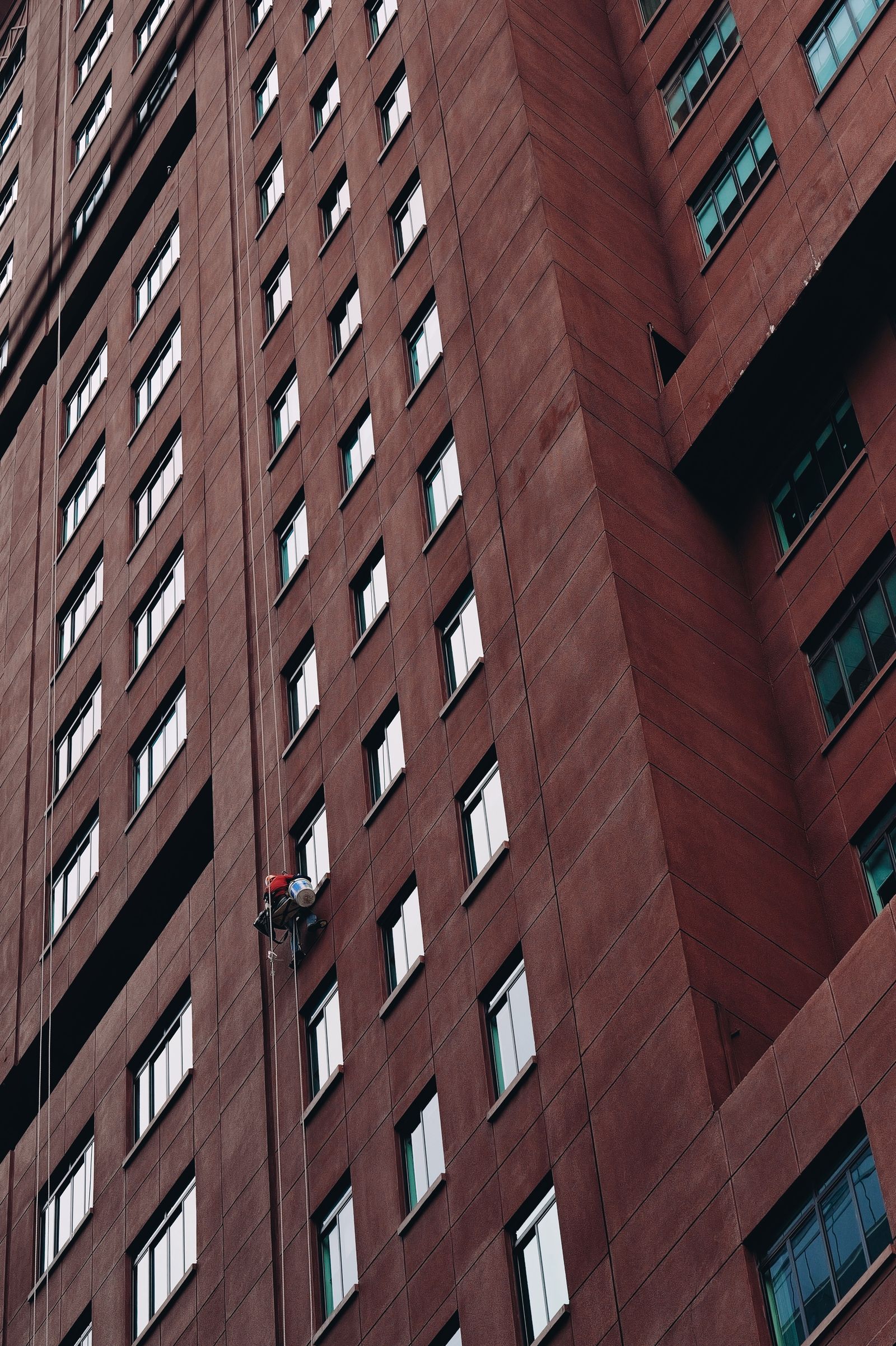
Contact methods remain important when the desired result is a true glass finish, removal of bonded residue, brushing of a recessed detail, mineral-deposit treatment, scraping, close inspection, or repair. A drone may help wet or rinse an upper wall, but it does not replace a squeegee, pole brush, lift technician, or specialist at contact distance. A Santa Rosa hotel, winery, office, or medical building may need a blended scope: aerial support for a broad upper panel, controlled ground work at the entrance, and specialty detail on glass, signs, or historic trim.
For a warehouse or agricultural property, pressure might suit a durable loading apron while soft washing suits a painted office facade. For a downtown storefront, contact detail may be safer around glass, awnings, and public sidewalks. For a school or healthcare facility, the method must also account for students, patients, staff, accessibility, and air intakes. Compare the method by zone rather than accepting one technique for every elevation.
Compare Santa Rosa weather, smoke, access, and airspace limits
Dry heat can accelerate drying on sun-facing walls, while wind can redistribute dust and carry mist past the planned boundary. Smoke or ash conditions may make outdoor work uncomfortable for occupants and crews even if a facade can be technically treated. Winter rain changes traction, runoff, and drying; a shaded north wall may remain damp after a storm. A bid should explain its weather hold points and what happens when conditions change rather than assuming a fixed production rate.
Access is equally important. Downtown and Fourth Street properties may need pedestrian control and delivery coordination. Hotels and tasting rooms have arrival periods, tours, outdoor seating, and events. Medical properties have patient transport and emergency routes. Airport Boulevard warehouses have trucks, forklifts, gates, and shift changes. Vineyard or agriculture-related sites may have rows, tanks, equipment, and production schedules. Compare staging, water access, hose crossings, roof or lift access, spotters, public separation, and the handback standard in every proposal.
If drone assistance is proposed, review Santa Rosa Airport activity, roads, utilities, trees, cranes, rooftop equipment, nearby people, and the launch and recovery area. Commercial small-UAS work must follow current Federal Aviation Administration requirements. A property owner can grant access to the site but cannot waive aviation rules. Ask for the planned aerial zone, stand-off distance, visual-control arrangement, wind limits, ground boundary, and grounded backup method. A credible scope treats the drone as one tool within a controlled cleaning plan.
Compare drainage, vineyard protection, and occupied-site controls
Both soft washing and pressure washing move water and removed soil. Before comparing price, trace the path from each elevation to roof drains, downspouts, curb inlets, trench drains, landscaped beds, vineyard rows, private swales, loading areas, and public routes. A visible storm inlet is not automatic authorization for discharge. Santa Rosa properties can have steep parking grades, downtown curbs, gravel shoulders, agricultural drainage, or a single low point that becomes a problem once a large facade is rinsed.
Require the proposal to identify water source, expected application and rinse volume, product assumptions, protection or recovery, and the response if water does not follow the plan. Controls may include dry cleanup, reduced flow, diversion, inlet protection, monitored recovery, filtration, or an approved disposal arrangement. Coordinate with the property team before work near vines, landscaping, food or wine production, patient areas, student routes, HVAC intakes, vehicles, and neighboring parcels. The method that looks gentler on the wall can still be the wrong choice if the water plan is incomplete.
Also compare closeout documentation. Dry photographs, completed elevations, weather interruptions, remaining deposits, source conditions, damage observed, access restored, and controls removed give the owner a useful record. That information helps decide whether a future visit should use soft washing, pressure, contact work, specialty treatment, or a repair referral. It also prevents a recurring program from repeatedly cleaning a downspout streak without addressing the source.
- Require a water and runoff plan for every work zone, not only the main facade.
- Protect vines, landscaping, guests, patients, students, vehicles, equipment, doors, and air intakes.
- Compare aerial and grounded methods by finish, access, weather, public separation, and backup plan.
- Request dry-condition photos and a record of remaining deposits or source conditions.
Use the Santa Rosa quote to choose a defensible method
For many Santa Rosa commercial buildings, the best answer is a blended scope. A low-impact treatment may suit organic staining and loose atmospheric soil on compatible facade zones. Controlled pressure may suit durable concrete or a loading area. Contact work may be needed for glass, signs, recessed trim, mineral deposits, or historic details. Drone assistance may reduce repositioning on a broad upper wall when the site and weather support it. The responsible proposal makes those boundaries clear instead of treating a single machine or label as the outcome.
Ask the contractor to list materials, conditions, proposed method by zone, access equipment, water assumptions, weather and smoke limits, occupied-site controls, expected finish, exclusions, and closeout documents. If aerial support is proposed, ask where it is feasible, what conditions are required, who controls the ground zone, and what happens if the aircraft must remain grounded. A small test area and dry review can establish whether the proposed finish is worth extending across the property.
Drone Building Cleaners can review Santa Rosa hotels, tasting rooms, healthcare facilities, schools, offices, retail centers, warehouses, agricultural buildings, campuses, garages, and industrial exteriors. Call +1 239-351-2897, email contact@dronebuildingcleaners.com, or submit the property through the contact form. Include the address, target elevations, photos, approximate height, visible conditions, operating schedule, and any smoke, heat, production, drainage, or access restrictions. We will recommend the next practical review step and provide a customer-facing scope that explains what can be cleaned, how the work will be approached, and what should be referred for separate repair or restoration.